POS Software Built for Electronics Retail
Electronics retail doesn't fit neatly into a generic POS. You're tracking hundreds of SKUs across multiple configurations, managing serial numbers at the unit level, syncing inventory between your counter and your online store, and reconciling supplier invoices against actual stock received. Most retail software handles a fraction of that. Owners Inventory's electronics store POS system handles all of it from one platform.
Rated on Leading Review Platforms
Challenges That Modern Electronics Stores Face
Electronics retail is operationally dense. High-value products, rapid product cycles, variant-heavy catalogs, and customer expectations around warranties and returns make daily operations harder than those of most retail segments.
Serial Numbers Without Unit-Level Tracking
When you receive 20 units of the same laptop model, each one carries a unique serial number. If your electronics POS system only tracks quantity and not serial numbers, you lose the ability to confirm which exact unit was sold, process warranty claims accurately, or investigate return fraud. A customer coming back six months later with a defective unit has no recourse if your records don't trace back to a specific serial number.
Product Variants Creating Inventory Blind Spots
A single smartphone model can exist in six storage tiers, four colors, and two network configurations. That's potentially 48 individual SKUs from one product. When those variants are tracked loosely or lumped under a parent SKU, stock counts become unreliable. You oversell configurations you don't have, and you over-order ones you're already sitting on.
Stock Visibility Gap
Most electronics stores that sell both in-store and online are running two separate stock counts. A customer buys the last unit of a laptop in-store on a Saturday afternoon. That same unit still shows as available on the website. By Monday, there's a canceled order, a refund to process, and a customer who won't be back.
Purchase Orders vs Actual Stock
Distributors substitute products more often than they should. You order 20 units of a 256GB model and receive 20 units of the 512GB instead. Without a system matching incoming stock against the original PO at the variant level, that discrepancy enters your inventory unchecked. You're now priced wrong, stocked wrong, and chasing a supplier dispute without documentation to back it up.
How Owners Inventory Solves Electronics Store POS Challenges
Each of these challenges has a direct solution in the Owners Inventory platform. The system is built around operational precision, not surface-level convenience.
Serial Numbers Tied to Every Transaction
Each item gets logged with its serial number from the moment it enters your inventory via a purchase order through to the point of sale. That record stays attached to the transaction, so warranty lookups, return verifications, and theft investigations are tied to a specific unit, not just a model.
Full Variant Management Across SKUs
Each configuration gets its own tracked SKU with its own stock count. You know exactly how many units you have of the 256GB midnight version versus the 128GB silver version. Restocking decisions become easier when the data is that specific.
Counter Sales Update Online Stock Instantly
When a sale is processed at the electronics POS, inventory updates immediately across all connected channels. Your online store, whether running through Shopify, WooCommerce, or Owners Inventory's built-in eCommerce module, reflects the same stock count as your physical floor.
PO Receipt Matching
When stock arrives from a supplier, the receiving workflow matches incoming units against the original purchase order. Quantities are confirmed, discrepancies are flagged, and your inventory count updates based on what was actually received.
Multi-Location Inventory
Stock levels across all your locations are visible from a single account. Transfer orders let you move inventory between stores. If one location is running low on a fast-moving product and another has surplus, you can act on it without making phone calls.
Key Features of Owners Inventory Electronics Store POS Software
Offline POS Mode
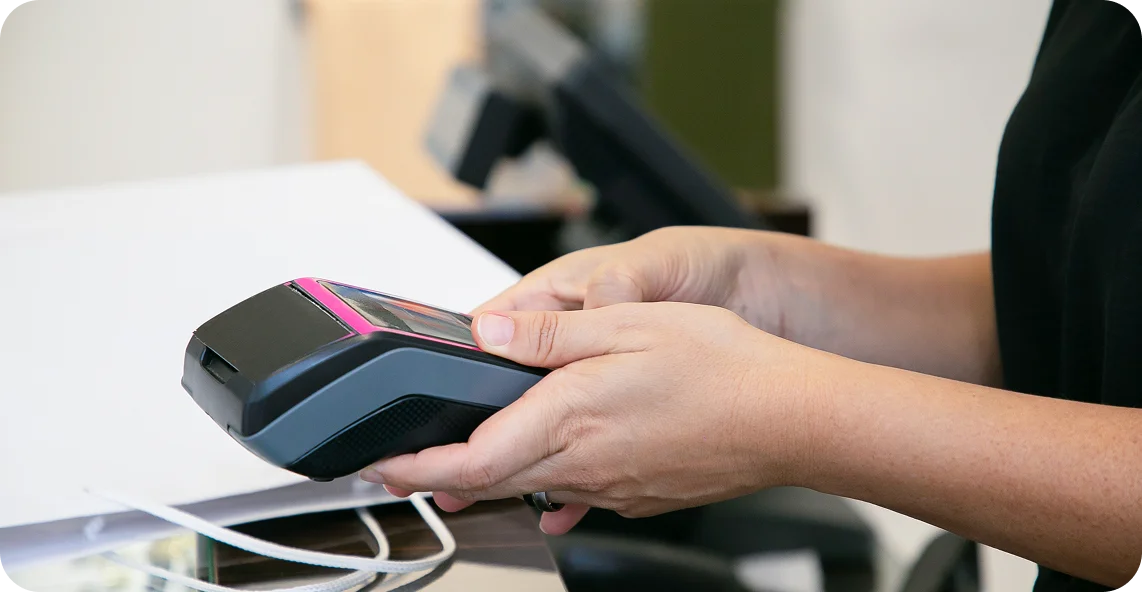
The POS terminal doesn't stop working when your internet does. Sales are processed and recorded locally, then synced back to the platform once connectivity is restored. For a busy electronics counter where a single transaction can be worth several hundred dollars, you can't afford to lose the ability to sell during even a brief outage.

IMEI and Device-Level Tracking
Every mobile device, tablet, and connected product carries an IMEI or device identifier that's distinct from its barcode or model number. Owners Inventory lets you log that identifier at the unit level alongside the serial number. When a device is sold, the IMEI is tied to the transaction. If a returned device doesn't match the IMEI on the original receipt, you know before the return is processed.
Role-Based Staff Permissions
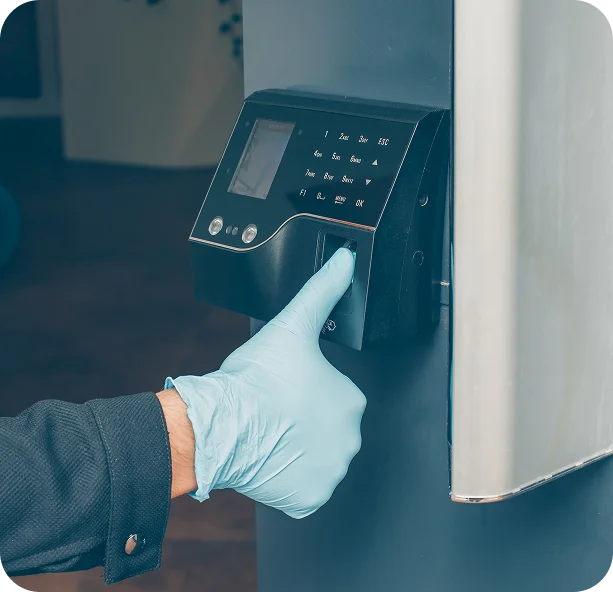
Control exactly what each staff member can do inside the platform. Limit who can apply discounts, process returns, adjust stock counts, or access purchase records. If a pricing error or an unauthorized return shows up in your records, the activity log traces it to the specific user and time.

Trade-In and Buyback Processing
If you buy used devices from customers, each trade-in can be logged as a received item with its own serial number, condition notes, and assigned value. The unit enters your inventory as a tracked product from the moment it's received. You know what you paid for it, what condition it was in, and what it sold for when it moved out.
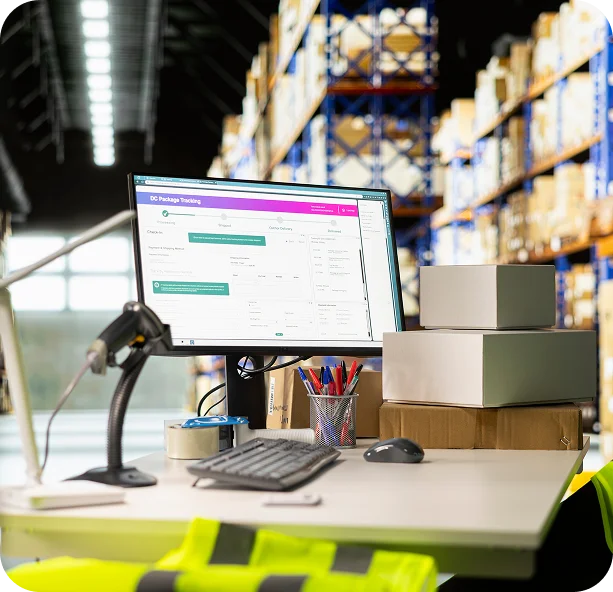
Purchase Order and Vendor Management
Create purchase orders directly in the platform and track them through to receipt. Vendor profiles store contact details, pricing agreements, and order history. When stock arrives, you receive it against the open PO, confirm quantities, and inventory updates automatically. If a supplier sends 18 units when you ordered 20, that discrepancy is recorded and surfaced for follow-up. Supplier invoices are matched at the same time, keeping accounts payable accurate without a separate reconciliation step.
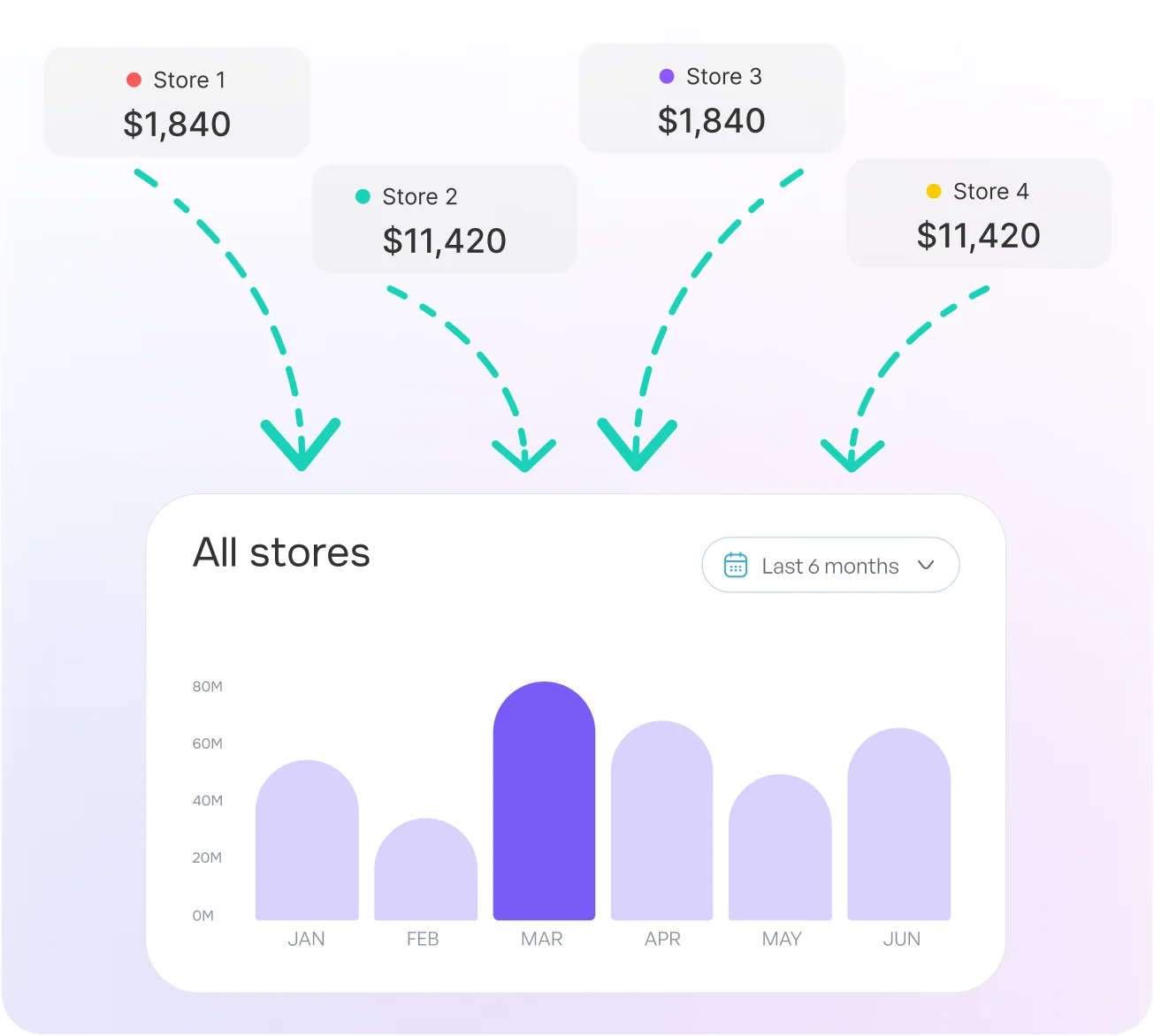
Omni-Channel Selling for Electronics Retailers
Electronics customers buy in-store, online, and sometimes both within the same hour. Owners Inventory keeps your stock accurate across every channel so you're never confirming a sale you can't fulfill.
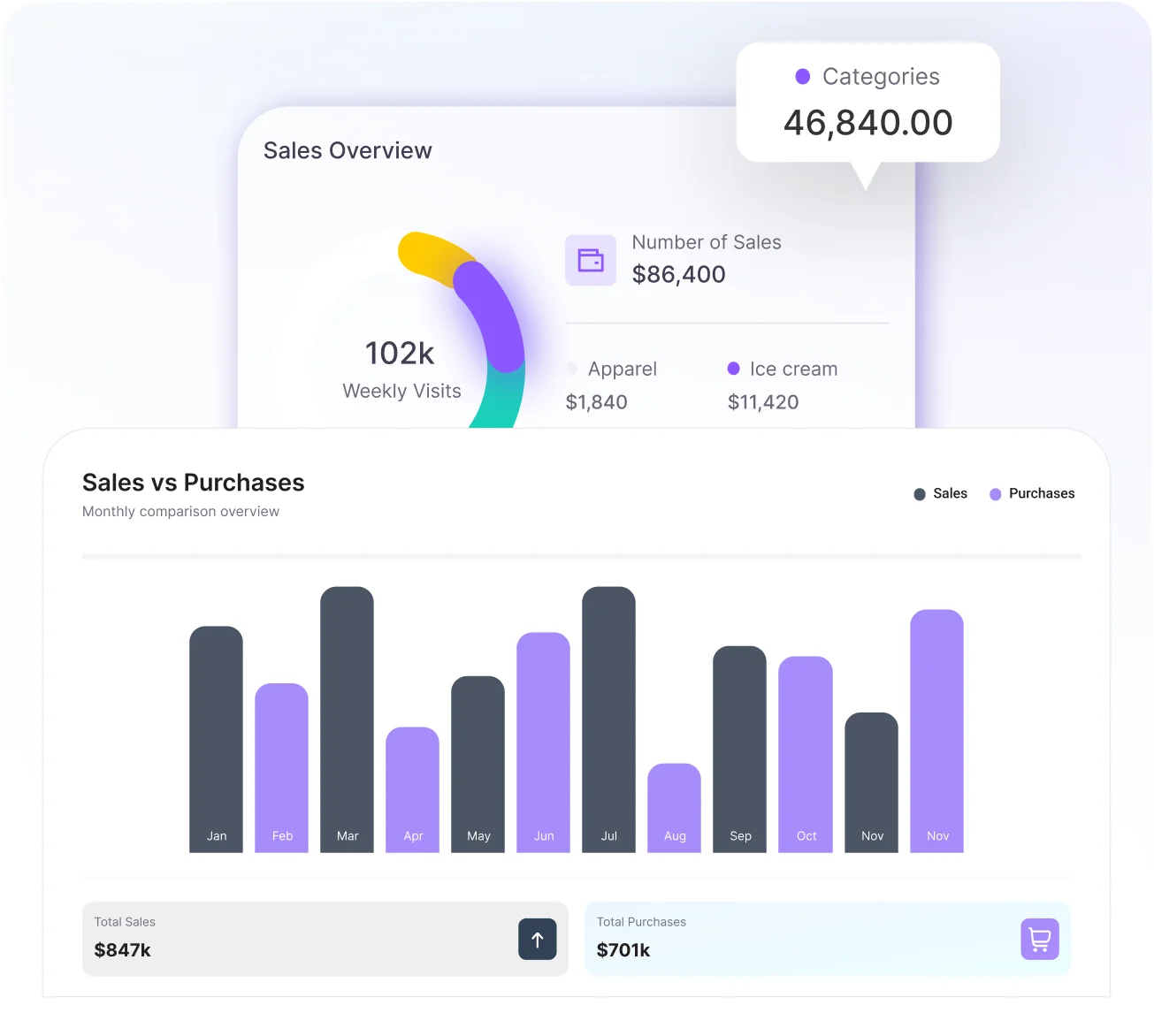
Sales and Inventory Reporting Built for Electronics Retail
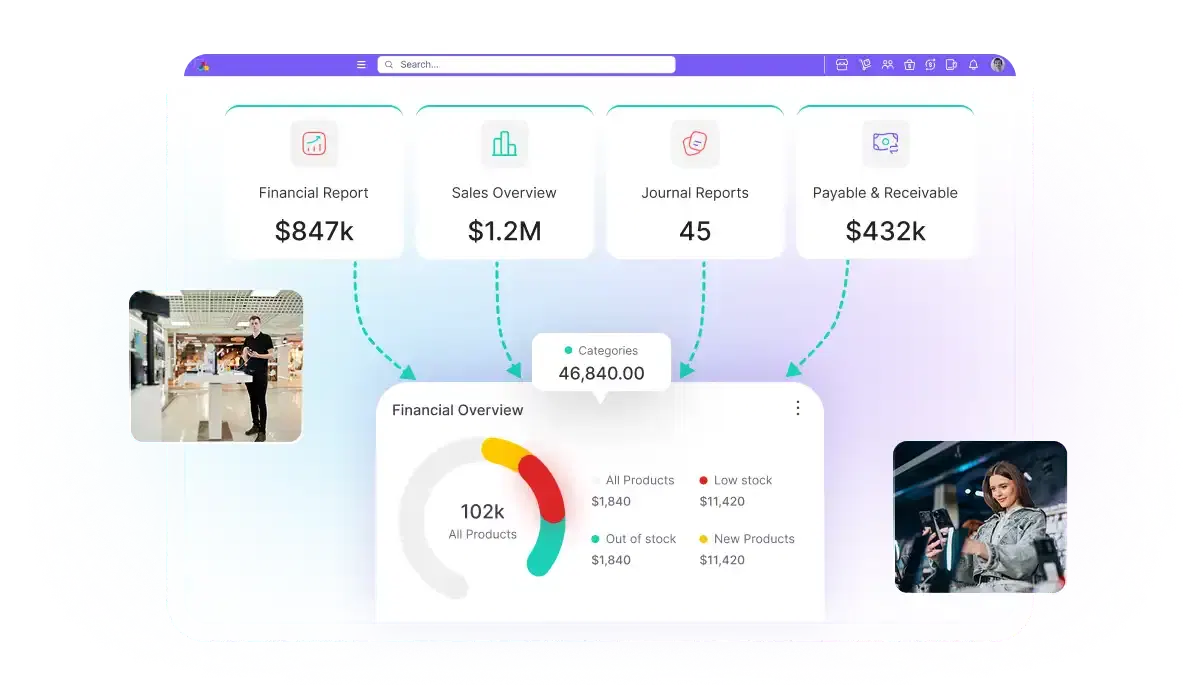
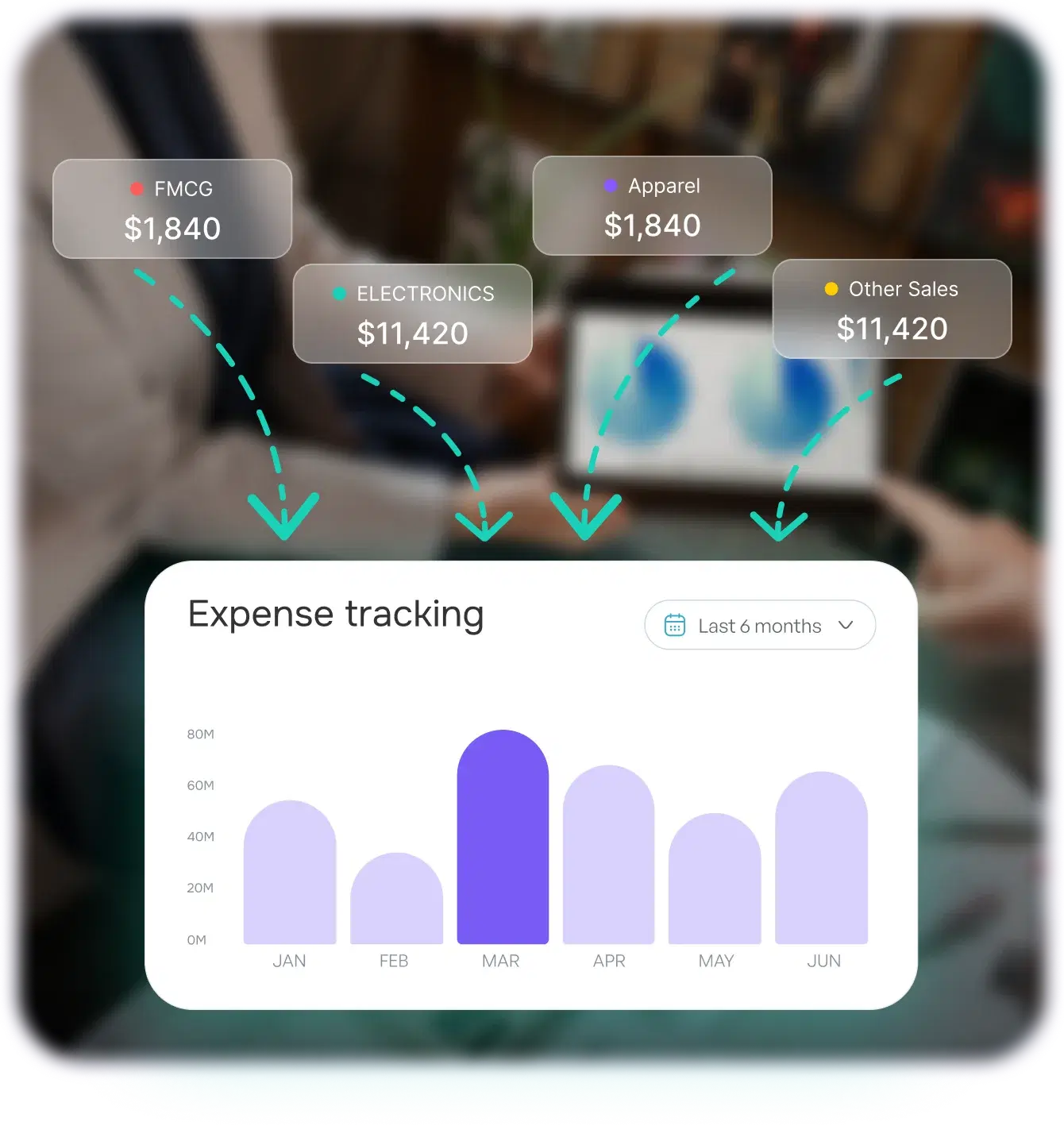
Generic sales reports tell you what sold. Owners Inventory's reporting tells you what sold, which variant, at which location, through which channel, and what the margin looked like on that unit. Sales reports break down revenue by product, category, staff member, and payment type. Inventory reports show stock movement over any date range, including transfers, adjustments, and received stock. Commission tracking lets you attribute sales to individual staff members if your team earns on performance. For purchasing, you can see what was ordered, from whom, at what cost, and whether what arrived matched what was invoiced. According to Deloitte's 2023 retail industry outlook, electronics retailers that track margins at the variant level are better positioned to respond to distributor price changes without eroding profitability.
Data Security and Transaction Accuracy
Electronics retail involves high-value transactions and product records that need to hold up to scrutiny. Owners Inventory uses encrypted APIs and a complete activity log so you know who did what and when.
Payment processing through Stripe is PCI-compliant, and customer data is accessible only to authorized users. If a pricing error shows up in your records, the activity log traces it to a specific user and timestamp without any manual digging.
Integrations That Connect Your Electronics Store to the Tools
Owners Inventory connects with the sales and accounting platforms your electronics store already uses. Device sales, accessory revenue, supplier costs, and payment records stay consistent across every connected system without manual data entry between them.

Shopify

WooCommerce

QuickBooks

Xero

Stripe
What Our Clients Say


Daniel Reyes
Owner, Techline Electronics, Austin TX
"We were tracking serial numbers in a spreadsheet that three people updated inconsistently. We had warranty claims we couldn't verify and returns we couldn't confirm. After switching to Owners Inventory, every unit is logged at receiving and tied to the sale. Our first warranty dispute after the switch took four minutes to resolve instead of a full afternoon of digging."


Emily Johnson
Operations Manager, Voltage Retail, Chicago IL
"We run two locations and a Shopify store. Before, we had no reliable way to know what stock we had where, and we'd oversell online twice a month at minimum. Owners Inventory synced everything. Overselling stopped in the first week. We now transfer stock between locations through the platform instead of driving units over without any record."

Marcus Webb
Founder, CoreTech Store, Seattle WA
"The variant management is what sold me. I carry about 35 laptop models, each with four or five configuration options. That's 150-plus SKUs to track. The old system lumped them together and the counts were always wrong. Now each variant has its own count, its own alert threshold, and its own reorder history. I stopped over-ordering slow configurations and stopped running out of the fast ones."
Don't Wait Until a Stock Discrepancy Costs You a Sale
Set up Owners Inventory in a day and run your first real shift on accurate data.
Why Electronics Stores Choose Owners Inventory Over Generic POS Software
Generic POS platforms weren't built for a category where a single product has 48 configurations, returns carry fraud risk, and warranty disputes need unit-level records.
Serial Number Tracking Stops Return Fraud
Electronics have some of the highest return fraud rates in retail, according to the NRF's 2023 retail theft report. When a device is sold with its serial number and IMEI tied to the transaction, a customer can't swap in a different unit during a return. The record is already there, and staff don't need to make a judgment call.
Try Free for 30 Days. No Contracts
Committing to new POS software without testing it against your actual inventory is a risk most electronics retailers can't afford to take. A 30-day trial means you can run real purchase orders, log real serial numbers, and process real sales before deciding whether the platform fits how your store operates. Start on any plan, use it the way you'd use it day to day, and cancel anytime if it doesn't hold up. No contract locks you in before you've seen the fit.
Live Support on Every Plan
Every plan includes onboarding help and email support, so your team isn't figuring out variant setup or IMEI logging alone. Pro and Enterprise plans add live chat and phone support for when a question can't wait on an email reply. Based on onboarding data from Owners Inventory customers, most electronics retailers complete setup and run their first live shift within the same day.
Real Support at Every Plan
All plans include onboarding assistance and email support. Pro and Enterprise plans add live chat and phone support. Enterprise customers get a dedicated account manager. Based on onboarding data from Owners Inventory customers, most electronics retailers complete setup and run their first live shift within the same day.
Warranty Lookups in Under a Minute
When a customer comes in with a warranty claim, you need the original transaction, serial number, and purchase date. In Owners Inventory, that lookup takes under a minute. Search by serial number, customer name, or date. No spreadsheets, no paper receipts.
FAQs
Common questions from electronics store owners evaluating Owners Inventory before making a decision.
Start NowOwners Inventory Gives Electronics Retailers the Tools to Run a Tight Operation
Serial tracking, variant inventory, supplier management, multi-location stock control, and real-time eCommerce sync are all included. Setup takes hours, not weeks. No contract required.